Nestled in the picturesque Ratnagiri district of Maharashtra, Guhagar is one of those rare coastal towns that has managed to preserve its charm despite the passage of time. Known for its pristine beach, ancient temples, and laid-back Konkani lifestyle, Guhagar offers a refreshing escape from the crowds that flock to the more popular tourist destinations along the Konkan coast.
The town is best known for landmarks such as the Durga Devi Temple and Shree Vyadeshwar Temple, both of which hold great religious and cultural significance. Adding to its appeal is Guhagar Beach, one of the longest and cleanest stretches of white sand in the Konkan region. With swaying coconut palms, quiet lanes, and the Arabian Sea never too far away, the town exudes a sense of peace that is becoming increasingly difficult to find.
My connection with Guhagar goes back many years to my college days, when I first visited this sleepy coastal town. At the time, what struck me most was its simplicity. A single main road running through the town, traditional Konkani homes, and coconut-filled wadis stretching towards the sea gave Guhagar a character that felt both authentic and timeless. There were no flashy attractions or commercialized beaches, just a quiet charm that stayed with me long after I returned home.
What makes Guhagar truly special is that, even today, much of that charm remains intact. While many destinations change rapidly with growing tourism, Guhagar continues to move at its own unhurried pace. Every visit brings back memories of those carefree college days while creating new ones at the same time. There is a comforting familiarity about the place that makes it feel less like a tourist destination and more like a home away from home.
 |
| Guhagar Beach |
Day 1 - 26 Oct 2022 - Scenic Drive & Spiritual Start
We began our journey bright and early at 5:30 AM, hoping to beat the traffic and reach Dervan before noon. The drive through Tamhini Ghat was an experience in itself. Cool weather, mist-covered roads, and lush green landscapes accompanied us throughout the route, making it one of those road trips where the journey is just as memorable as the destination. The winding roads, fresh mountain air, and scenic views set the perfect tone for the day ahead.
We took a short break for tea after crossing the scenic Tamhini Ghat and continued our drive towards Dervan, reaching there at around 11:45 AM. Our plan was to visit the famous Ram Mandir, but we soon learned that the temple follows a strict dress code. Women are required to wear a saree, while men must be dressed in full-length pants. Since we did not meet the requirements, we were unable to enter the temple.
 |
| Road to Tamhini Ghat |
 |
| Somewhere near Mulshi |
Although this was a little disappointing, the visit was still worthwhile. The beautifully crafted statues of Chhatrapati Shivaji Maharaj and his brave Maratha warriors immediately caught our attention. The detailed sculptures, depicting significant moments from Maratha history, are impressive in both scale and craftsmanship. Walking through the complex and admiring these monuments offered a glimpse into the rich heritage and valor of the Maratha Empire.
While we missed the opportunity to visit the temple interiors, Dervan still left us impressed with its serene atmosphere and historical significance. Sometimes travel comes with unexpected surprises and minor disappointments, but they often become part of the story. Looking back, the scenic drive through Tamhini Ghat and the inspiring statues at Dervan made the stop a memorable part of our journey.


After spending about an hour exploring Dervan, we resumed our journey towards Guhagar and reached Seawinds Hotel at around 2:00 PM. By then, the long drive and afternoon heat had made us eager to settle in and relax. Originally, I had booked a room at Nakshatra Resort, but due to a miscommunication, our reservation was not confirmed. Rather than spending time sorting out the issue, I decided to look for an alternative and booked a room at Seawinds Hotel instead.
The hotel turned out to be a decent choice for our stay. The room was clean, and comfortable, providing everything we needed after a long journey. The property also offers ample parking space, which is a big advantage for travelers arriving by car. However, one thing worth noting is that there is no covered parking, so vehicles remain exposed to the sun and weather.
The only area where the hotel fell slightly short was the maintenance of the common corridors, which could have been cleaner and better maintained. That said, the room itself was well-kept, and since most of our time was spent exploring Guhagar rather than staying indoors, it wasn't a major concern.
Overall, Seawinds Hotel proved to be a practical backup option. Sometimes travel plans don't go exactly as expected, but a little flexibility often leads to equally good alternatives, and this turned out to be one of those instances. After checking in and freshening up, we were ready to begin exploring the familiar charm of Guhagar once again.

After taking some time to rest and freshen up, we headed out again at around 5:00 PM to visit the famous Shree Vyadeshwar Temple, one of the most important landmarks in Guhagar. Dedicated to Lord Shiva, the temple holds great religious significance and is considered the Kuldevata (family deity) of many Chitpavan Brahmin families from the Konkan region.
Located in the heart of the town, the temple exudes a sense of peace and simplicity that perfectly reflects the character of Guhagar itself. The traditional architecture, serene surroundings, and spiritual atmosphere make it a pleasant place to spend some quiet time, whether you are a devotee or simply interested in the cultural heritage of the region.
The temple complex houses a few smaller shrines dedicated to other deities, making it more than just a single temple visit. We spent some time walking around the premises, admiring the architecture and soaking in the calm ambience. The evening aarti preparations were underway, and the rhythmic temple bells added to the spiritual charm of the place.
Having visited Guhagar before, returning to Vyadeshwar Temple felt familiar and comforting. It is one of those places that remains unchanged over the years, preserving its traditions and old world charm. A visit to Guhagar feels incomplete without paying respects at this historic temple, which continues to be an integral part of the town's cultural and religious identity.
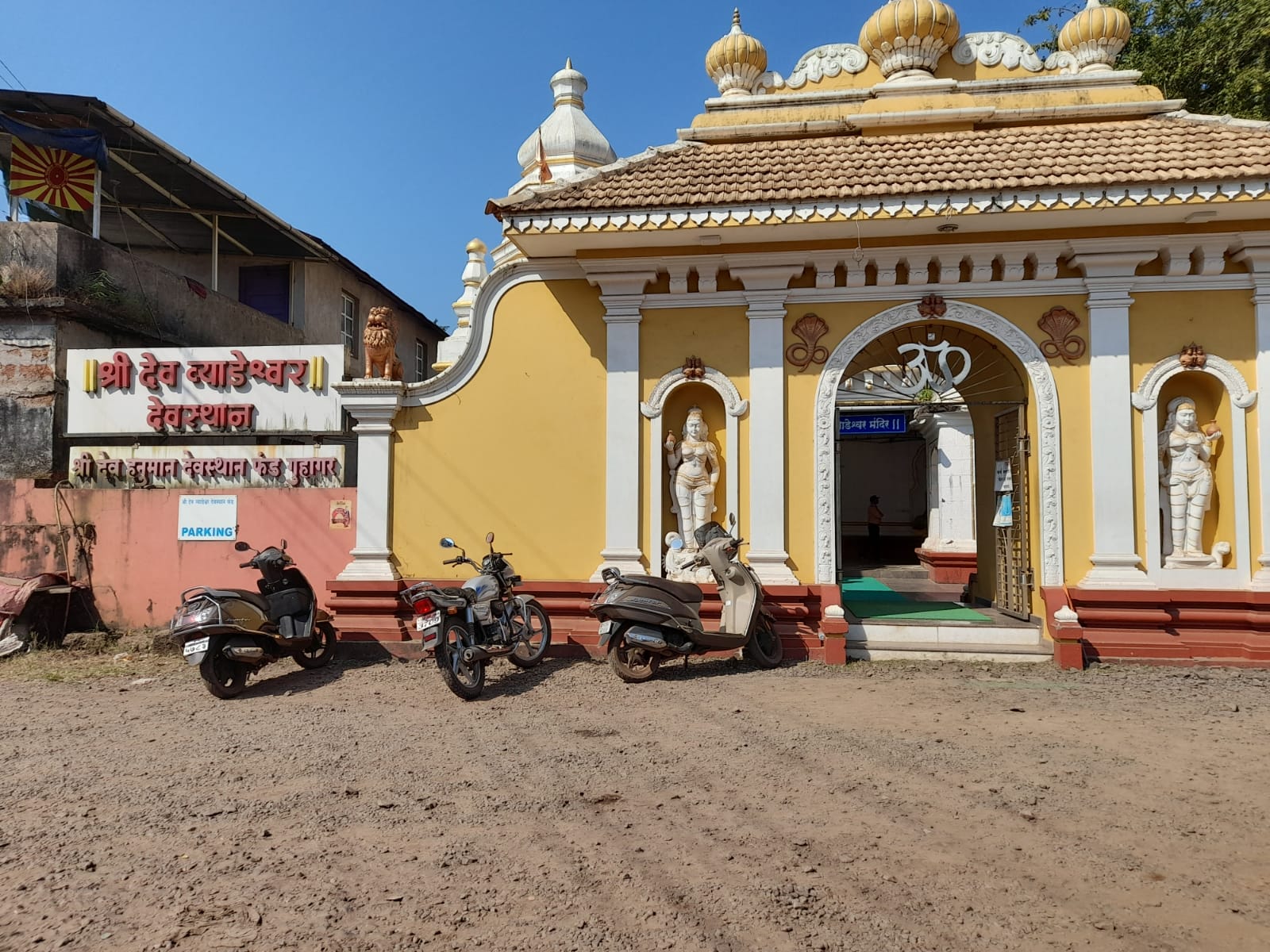
 |
| Vyadeshwar Temple |


 |
| Deepmal |
After seeking blessings at Shree Vyadeshwar Temple, we made our way to another unique and much-loved temple in Guhagar, the Ufrata Ganpati Temple. The temple is associated with a fascinating local legend that has been passed down through generations.
According to local belief, the beautiful marble idol of Lord Ganesha was discovered by fishermen in the sea off the coast of Guhagar while they were fishing. The idol was later entrusted to the local Brahmin community, who installed it at Varcha Pat in Guhagar. What makes this temple especially interesting is the story behind the name Ufrata Ganpati, which literally means the "turned" or "reversed" Ganpati.
It is said that nearly 400 years ago, the sea became extremely turbulent and floodwaters began entering the village, threatening to submerge Guhagar. In desperation, one of Lord Ganesha's devotees prayed fervently for protection. Responding to these prayers, the east-facing idol is believed to have miraculously turned towards the west, calming the raging sea and saving the village from disaster. Since that day, the deity has been revered as Ufrata Ganpati, and the temple continues to attract devotees from across the region.
The temple itself reflects the traditional architectural style of the Konkan region. Built in the old Kaularu style, with its sloping tiled roof and wooden structure, it has a simple yet charming appearance that blends beautifully with its surroundings. The peaceful atmosphere and rich history make it a worthwhile stop while exploring Guhagar.
As evening approached, we headed towards Guhagar Beach to witness the sunset. Watching the sun slowly descend into the Arabian Sea, painting the sky in shades of orange, pink, and gold, was the perfect way to end the day. Families strolled along the shoreline, children played in the sand, and the gentle sound of waves created a sense of calm that only a coastal evening can offer.
 |
| Sunset at Guhagar Beach |
 |
| Sunset at Guhagar Beach |
Before heading back to the hotel, we stopped for dinner at Suruchi Hotel, located near Guhagar Beach. The restaurant turned out to be one of the culinary highlights of our trip. Clean, hygienic, and simple in its setting, it serves a variety of authentic Konkani dishes that are becoming increasingly difficult to find, especially in their traditional form.
As someone who has travelled to the Konkan region many times, I was pleasantly surprised to find so many genuine vegetarian Konkani dishes on the menu. We ordered Tandalichi Bhakri, Kelful Bhaji (banana flower sabzi), and Walachi Usal, and every dish was packed with flavour. The food tasted homemade, with the kind of authenticity that reflects the region's rich culinary heritage. Each bite reminded us why Konkani cuisine is so unique and satisfying.
If there was one small complaint, it would be the size of the bhakri, which was a bit smaller than expected. However, the excellent taste more than made up for it, and we left the restaurant thoroughly satisfied.
We enjoyed the meal so much that we decided to visit the place again the next day. Apart from the food, Suruchi also stocks a variety of local products, and we were keen to pick up some Konkani pickles and mango pulp before leaving Guhagar.
With a delicious dinner behind us and the memories of a beautiful sunset still fresh in our minds, we finally made our way back to Seawinds Hotel, reaching around 9:30 PM. It had been a fulfilling day, from exploring temples steeped in history and local legends to enjoying one of the most memorable meals of our trip. As we called it a day, we looked forward to spending more time in the coastal town that had continued to charm us, just as it had during my very first visit years ago.
Day 2 - 27 Oct 2023
We had decided to cover most of the sightseeing spots on this day so that we could keep the following day free to simply relax and enjoy some downtime at the hotel.
Our first destination was Bamanghal, located about 30 km from Guhagar near the village of Hedvi. We started early and reached there around 9:00 AM. Bamanghal is a fascinating natural formation created by years of erosion from the powerful Arabian Sea. During high tide, seawater rushes forcefully through narrow gaps and cavities in the rocks, creating spectacular sprays and a roaring sound. Watching the waves crash against the rocky coastline and surge through these natural crevices is both thrilling and mesmerizing.
To reach Bamanghal, one has to walk down towards the beach area, enjoying beautiful coastal views along the way. The rugged shoreline, crashing waves, and vast expanse of the sea make the place a delight for nature lovers and photographers alike.
Near the beach stands the serene Uma Maheshwar Temple, a temple dedicated to Lord Shiva and Goddess Parvati. We spent some time exploring the temple premises and soaking in the calm atmosphere before heading towards the rocky coastline to witness the natural wonder of Bamanghal.
What makes this place special is the unique combination of nature and spirituality. On one side, you have the raw power of the sea carving its way through ancient rocks, and on the other, the quiet presence of a old temple.
 |
| Bamanghal, Hedvi |

 |
| Hedvi Beach |
Bamanghal is an incredible creation of nature. It is a small walk along the rocky beach and one can observe a large crack formed in the slopes. The water vigorously enters this crack and fills the 3-4m deep and 1m wide crack and sprays upwards through the narrow opening. The sight of water bursting out of the rocks against the backdrop of the Arabian Sea is both mesmerizing and exhilarating. But be careful and do not try to go deep inside as this place has different shapes of hard coarse rock which makes it a bit slippery, few accidents were happened and people died after falling in to it. Sun was too bright to stand there for long time hence we left the place within 15-20 minutes.
On our way to the famous Hedvi Ganpati Temple, we stopped at the beautiful Shri Laxmi Narayan Temple. Built in traditional Konkani style, the temple is simple yet incredibly charming, surrounded by dense greenery and towering trees that add to its peaceful atmosphere. Unlike the more crowded tourist spots, this temple felt untouched and serene, making it a delightful surprise during our journey.
What made the visit even more special was the area around the temple. A narrow path beside the temple leads down towards a small stream, and as we walked along it, it felt as though we had stepped back in time. The setting was reminiscent of an old Konkan village, where life moves at a gentle, unhurried pace. The quiet surroundings, the shade of the trees, and the sound of flowing water created a sense of calm that is increasingly rare to find.
As we reached the stream, we noticed a few village women going about their daily routines, carrying water, washing clothes, and chatting amongst themselves. There was something wonderfully authentic about the scene. It reminded me of the villages often described in classic Marathi stories, simple, peaceful, and deeply connected to nature. There was no rush, no noise, just everyday life unfolding in its own rhythm.
We spent some time soaking in the atmosphere before continuing our journey. While the temple itself is beautiful, it was this glimpse into rural Konkan life that stayed with me the most. Sometimes, the most memorable travel experiences are not the famous landmarks but these small, unplanned moments that offer a genuine connection with the place and its people.
The visit to Shri Laxmi Narayan Temple was one such experience, a quiet corner of Hedvi where traditional architecture, natural beauty, and village life come together to create a scene that feels straight out of a storybook.
 |
| Shri Laxmi Narayan, Hedvi |
 |
| Local Shop |
 |
| Small Shack but good quality food |
 |
| Kokum Sarbat |
After spending about half an hour at Shri Laxmi Narayan Temple, we continued our journey to the famous Hedvi Ganesh Temple, one of the most revered landmarks in the region. Also known as Dashabhuja Ganapati Temple or Lakshmi-Ganesh Temple, it is located approximately 3 km from Hedvi Beach and stands amidst peaceful surroundings that enhance its spiritual charm.
The temple is home to a truly unique idol of Lord Ganesha, unlike any commonly seen elsewhere. Carved from white stone, the deity is depicted with ten arms (Dashabhuja), symbolizing strength, protection, and the warrior aspect of Lord Ganesha. This rare representation makes the temple a significant place of worship as well as a point of interest for visitors exploring the Konkan region.
Perched on an elevated location overlooking the surrounding landscape, the temple offers a serene atmosphere that encourages visitors to slow down and soak in the spiritual ambience. The well-maintained premises, traditional architecture, and peaceful environment make it a pleasant place to spend some quiet time.
The temple has a rich history dating back to the Peshwa era and continues to attract devotees from across Maharashtra. Whether you visit for religious reasons or simply to admire its architecture and historical significance, the Dashabhuja Ganapati Temple leaves a lasting impression.
We spent some time offering prayers and admiring the beautifully carved idol before exploring the temple complex. The combination of history, spirituality, and the tranquil Konkan setting made this one of the most memorable temple visits of our trip. Surrounded by coconut groves and the calm countryside of Hedvi, it was easy to understand why this centuries-old temple holds such a special place in the hearts of both locals and visitors.


 |
| Panhala Fort made by Kids during Diwali Vacation, its somewhere near Hedvi |
 |
| Konkani House |
While returning to Guhagar, we made a stop at Shri Velneshwar Temple, a serene and historically significant temple located just a short walk from Velneshwar Beach. Situated about 7 km from Hedvi Beach, this quiet coastal village offers a perfect blend of spirituality and natural beauty.
The temple is believed to be one of the ancient shrines dedicated to Lord Shiva and Goddess Parvati. Surrounded by coconut groves and the peaceful atmosphere of a traditional Konkan village, the temple provides a welcome respite from the hustle and bustle of everyday life. Its simple architecture and sacred ambience make it a place where visitors can spend a few moments in quiet reflection.
What makes a visit to Velneshwar even more special is its proximity to the beach. Velneshwar Beach is known for its clean shoreline, clear waters, and rows of swaying coconut trees that stretch along the coast. Unlike many popular beaches, it retains a calm and uncrowded character, making it an ideal place to relax and enjoy the beauty of the Konkan coastline.
After visiting the temple, we spent some time walking along the beach and soaking in the tranquil surroundings. The gentle sea breeze, rhythmic sound of the waves, and the endless view of the Arabian Sea created a sense of peace that is hard to put into words. There were very few visitors around, allowing us to enjoy the beach at our own pace and appreciate its untouched beauty.
Velneshwar may not be as well-known as some of the larger beach destinations in Maharashtra, but that is precisely what makes it special. Its combination of an ancient temple, pristine beach, and laid-back village atmosphere offers a glimpse of the Konkan coast at its most authentic. For us, it was a refreshing and memorable stop before continuing our journey back to Guhagar.
 |
| Shri Velneshwar Temple |
 |
| Deepmal at Velneshwar Temple |
We reached our hotel at around 1:30 PM and, after freshening up, headed straight to Jog Aaji's place for lunch. The meal turned out to be one of the highlights of our Guhagar trip and a wonderful introduction to authentic Maharashtrian home-style cooking.
Jog Aaji is known for serving traditional meals prepared with the warmth and care of a home kitchen. The food is simple, fresh, and packed with the kind of flavors that are becoming increasingly rare to find in commercial restaurants. Every dish reflected the rich culinary heritage of the Konkan region and tasted as if it had been lovingly prepared for family rather than customers.
What made the experience even more special was the personal touch and hospitality. From the moment we arrived, it felt less like dining at a restaurant and more like being invited into someone's home for a meal. The food was wholesome, authentic, and absolutely delicious.
The undisputed star of the meal, however, was the Modak. Soft, perfectly shaped, and bursting with flavor, it was easily the best Modak I have tasted till date. Even after visiting several places across Maharashtra, this one remains my benchmark for how a traditional Modak should taste. If you happen to be anywhere near Guhagar, trying these Modaks is an absolute must.
One important tip for visitors: make sure to place your order in advance before arriving, as meals are prepared fresh and availability may be limited. A little planning goes a long way in ensuring you don't miss out on this memorable culinary experience.
For us, lunch at Jog Aaji's was more than just a meal. It was an opportunity to experience the warmth, flavors, and hospitality of Konkan culture firsthand. Long after the temples, beaches, and sightseeing spots fade from memory, it is often these simple food experiences that remain etched in your mind. And Jog Aaji's food is certainly one of those memories we will cherish for a long time.
 |
| Jog Aaji home |
 |
| Dining area |
 |
| Selfie with Jog Aaji |
After enjoying a memorable lunch at Jog Aaji's, we set out for our next destination, the Anjanvel Lighthouse, one of the most popular attractions in the Guhagar region. Perched along the scenic Konkan coastline, the lighthouse is a wonderful place to visit, especially in the evening when the weather is pleasant and the views are at their best.
Visitors can climb to the top of the lighthouse by paying a nominal entry fee. Although the structure isn't particularly tall, the panoramic views from the top are stunning. The Arabian Sea stretches endlessly on one side, while the lush green Konkan landscape unfolds on the other, offering a beautiful perspective of the coastline. It's the kind of place where you can simply stand for a few moments and appreciate the natural beauty surrounding you.
If you're planning a visit, keep the timings in mind. The lighthouse is open to visitors from 9:00 AM to 12:00 PM and again from 3:00 PM to 5:00 PM. One important thing to note is that cameras are not allowed to be carried to the top, so you'll have to enjoy the views without capturing them through a lens.
Just outside the lighthouse premises is the small and peaceful Tolkeshwar Temple, dedicated to Lord Shiva. Surrounded by the coastal landscape, the temple adds a spiritual element to the visit and is worth a quick stop while exploring the area.
About 2 kilometres away lies Anjanvel Fort, another attraction known for its historical significance and sea views. We had initially planned to visit it as well, but after a long day of sightseeing that began early in the morning, we were beginning to feel tired. With limited time available, we decided to skip the fort and head back instead.
Looking back, it was the right decision. Travel is not always about ticking every attraction off a list; sometimes it's better to slow down and enjoy the places you do visit. The beautiful views from Anjanvel Lighthouse, combined with the peaceful surroundings of Tolkeshwar Temple, made for a relaxing and satisfying end to another eventful day in the Konkan.


After spending about an hour at Anjanvel Lighthouse, we continued our journey towards Dabhol via the Dabhol-Dhopave Ferry. Traveling by ferry is a unique experience in itself and one of the enjoyable aspects of exploring the Konkan coast. As the ferry slowly crossed the creek, we were treated to beautiful views of the surrounding hills, fishing boats, and the tranquil backwaters. The short ride also saved us a considerable amount of driving time compared to taking the longer road route.

Our destination was the Chandika Devi Temple in Dabhol, one of the most unique and intriguing temples we visited during the trip. Nestled within a small cave on the mountainside, the temple carries an air of mystery and spirituality that sets it apart from conventional temple structures. According to local belief, the temple dates back to the Pandava era, adding to its historical and religious significance.
The presiding deity, Goddess Chandika, is revered as a Swayambhu deity, meaning the idol is believed to have manifested naturally rather than being sculpted by human hands. This belief draws devotees from across the region who come seeking the blessings of the Goddess.
The cave houses a three-foot-tall black stone idol of Goddess Chandika, beautifully adorned with shendur (vermilion). The Goddess is depicted with four arms, holding a sword, shield, and other weapons, symbolizing her power and protective nature. The idol's radiant presence stands in striking contrast to the darkness of the cave, creating an unforgettable first impression.
Reaching the sanctum is an experience in itself. The entrance to the cave is quite low, requiring visitors to bend down to enter. The doorway is covered with a silver sheet, adding a touch of grandeur to the otherwise simple entrance. Once inside, a series of steps leads down into the cave. Moving carefully along the rock walls in the dim light, visitors gradually make their way towards the sanctum.
As the eyes adjust to the darkness, the soft glow of the Samai and the eternal Nandadeep begins to emerge from within the cave. Then, suddenly, the divine form of the Goddess comes into view. The experience of stepping out of darkness and seeing the illuminated idol is difficult to describe in words. It evokes a sense of awe, devotion, and tranquility that remains with you long after the visit.
What amazed us most was the sheer size of the interior. Despite the narrow entrance, the cave is large enough for hundreds of devotees to gather comfortably around the deity. The natural rock formations, the cool atmosphere inside the cave, and the soft glow of lamps create a deeply spiritual ambience. Devotees can perform a complete pradakshina (circumambulation) around the Goddess and eventually return to the original entrance, making the visit feel both sacred and unique.
What makes the temple even more unique is its adherence to tradition. Apart from the sacred lamp, no artificial lighting is permitted inside the cave, preserving its original ambiance and spiritual significance. Photography is also strictly prohibited, allowing visitors to focus entirely on the experience rather than capturing it through a camera lens.
Located amidst the old settlement, the temple is an important place of worship for locals and devotees from nearby villages. The peaceful surroundings and traditional atmosphere make it a pleasant stop for those interested in the religious and cultural heritage of the Konkan region.

 |
| Chandika devi mandir, Dabhol |
Standing inside the ancient cave, surrounded by silence, flickering lamp light, and centuries of faith, felt truly special. The Chandika Devi Temple is not just a place of worship but an experience that connects visitors with history, nature, and spirituality all at once.
The temple offered a refreshing contrast to the beaches, forts, and viewpoints we had explored throughout the day. Standing inside the ancient cave, surrounded by silence and centuries of faith, we felt a deep sense of peace. Whether you visit for religious reasons or simply to experience something unusual, the Chandika Devi Temple is a hidden gem that adds another fascinating layer to the rich cultural heritage of the Konkan coast.
 |
| Sunset at Vashishti River near Dabhol |
By the time we left Dabhol, we had been exploring since morning and the day's travel had finally started to catch up with us. On our way back to Guhagar, we stopped for a much-needed break for tea and snacks. Sitting down with a hot cup of tea after a long day of sightseeing felt incredibly refreshing and gave us a chance to relax. As the evening progressed, our fatigue outweighed our appetite, and we decided to skip dinner altogether. The tea and snacks were enough to keep us going, and all we wanted was a good night's rest after such an eventful day. We finally reached our hotel at around 9:00 PM.
Day 3 - 28 Oct 2023
After two busy days of sightseeing, we decided to take things a little slower. We woke up later than usual and headed to Guhagar Beach around 7:30 AM. With no fixed plans for the morning, our only goal was to relax and enjoy the seaside atmosphere. We spent a couple of hours swimming, enjoying the waves, and trying out a few water activities. The beach was relatively quiet in the morning, making it the perfect place to unwind and soak in the beauty of the Konkan coast. Refreshed and energized, we returned to the hotel around 9:00 AM.
Back at the hotel, we enjoyed a leisurely hour watching television and simply relaxing, a welcome change from the constant travel and sightseeing of the previous days. Afterward, we set out to explore Varcha Pat, one of the oldest and most culturally significant parts of Guhagar, known for its temples and traditional Konkani charm.
Our first stop was the revered Durga Devi Temple, which is considered the Kuladevata (clan deity) of many Brahmin families from the Konkan region. Surrounded by lush greenery, coconut plantations, and fertile farmlands, the temple exudes peace and spiritual serenity. The well-maintained premises and the nearby Bhakta Niwas make it an important pilgrimage destination for devotees visiting Guhagar. The quiet surroundings and traditional architecture make it a pleasant place to spend some time away from the crowds.
We then continued our temple trail by visiting Kopari Narayan Temple, Ashtavane Ganpati Mandir, and Shree Datt Mandir. Each temple had its own unique character and history, reflecting the deep-rooted religious and cultural heritage of the region. Walking through the narrow lanes connecting these temples felt like taking a journey through the spiritual heart of Guhagar, where centuries-old traditions continue to be preserved with great devotion.
What stood out most during this part of the trip was the simplicity and tranquility of the town. Unlike larger tourist destinations, Guhagar encourages you to slow down and appreciate the smaller details, the temple bells echoing through the village, the shade of coconut trees lining the roads, and the unhurried pace of everyday life.
It turned out to be exactly the kind of day we had hoped for, a relaxed blend of beach time, quiet exploration, and spiritual experiences. Sometimes, the most memorable travel moments are not the action-packed ones but those spent simply wandering through a charming town, discovering its culture, and embracing its slower rhythm of life.
 |
| Kopari Narayan Mandir, Guhagar |
 |
| Kopari Narayan |

 |
| Shree Datt Mandir, Guhagar |
 |
| Shree Datt Mandir, Guhagar |

After visiting the temples in Varcha Pat, we headed back to Jog Aaji's place for lunch. Having enjoyed the food so much on our previous visit, we simply couldn't leave Guhagar without experiencing another traditional Konkani meal. Once again, the food was fresh, authentic, and full of homely flavors, making it one of the culinary highlights of our trip.
After lunch, we returned to the hotel around 3:00 PM and spent a few hours simply relaxing. The day had been intentionally kept free of extensive sightseeing, allowing us to slow down and enjoy the laid-back charm of Guhagar at our own pace.
As the afternoon heat subsided, we made our way to Guhagar Beach for one last evening by the sea. The beach looked as beautiful as ever, with the gentle waves, cool sea breeze, and endless horizon creating a soothing atmosphere. We spent our time strolling along the shoreline, watching the changing colours of the sky, and soaking in the peaceful surroundings. There is something special about Konkan sunsets that makes you stop, slow down, and simply enjoy the moment.
The evening brought back memories of my first visit to Guhagar years ago. While many things in life change over time, the simple pleasures of watching the sun set over the Arabian Sea and listening to the rhythmic sound of the waves remain timeless.
To end the day, we once again visited Suruchi Hotel for dinner. Just like before, the food was excellent and lived up to our expectations. Enjoying authentic Konkani cuisine after a relaxing evening at the beach felt like the perfect conclusion to our day.
 |
| Quick capture from Hotel Window |
Day 4 - 29 Oct 2023
As our trip was coming to an end, we decided to start early and make our way back to Pune before the evening traffic built up. Our goal was to reach home before 5:00 PM, allowing for a comfortable and relaxed drive.
After checking out of the hotel, we enjoyed one final breakfast at Suruchi, which had easily become our favourite place to eat in Guhagar. Before leaving town, we also spent some time shopping for local Konkan specialties, picking up items such as pickles, mango products, and other regional delicacies to take back home as souvenirs of the trip.
We finally left Guhagar at around 10:00 AM, bidding farewell to the charming coastal town that had once again lived up to our expectations. The familiar coconut groves, quiet village roads, and glimpses of the Arabian Sea accompanied us for the last few kilometres of our journey through the Konkan.
On our way back, we made a stop at the historic Parashuram Temple near Chiplun. Dedicated to Lord Parashuram, the sixth incarnation of Lord Vishnu, the temple holds immense religious significance and is closely associated with the origin of the Konkan region. According to legend, Lord Parashuram reclaimed the land of Konkan from the sea by shooting an arrow into the waters, creating the narrow coastal strip that stretches along India's western coast.
Surrounded by lush greenery and the scenic landscape of the Sahyadri hills, the temple exudes a peaceful and spiritual atmosphere. The traditional architecture, beautifully maintained premises, and historical importance make it a popular stop for pilgrims and travellers alike. We spent some time exploring the temple complex, offering prayers, and appreciating the serene surroundings before continuing our journey.
We reached the temple around 12:30 PM, just in time to receive the day's Prasad. The temple was serving a simple meal of khichadi, shira, and pickle, and we were fortunate to be offered the same. After days of travelling and sightseeing, the wholesome food felt especially satisfying.
Sometimes it is the simplest meals that leave the strongest impression, and this was one such experience. The khichadi was exceptionally delicious, prepared with the kind of simplicity and warmth that is difficult to recreate elsewhere. Even today, its taste lingers in my memory. Sitting in the serene temple surroundings and enjoying the Prasad felt less like a meal and more like a blessing at the end of a wonderful journey.

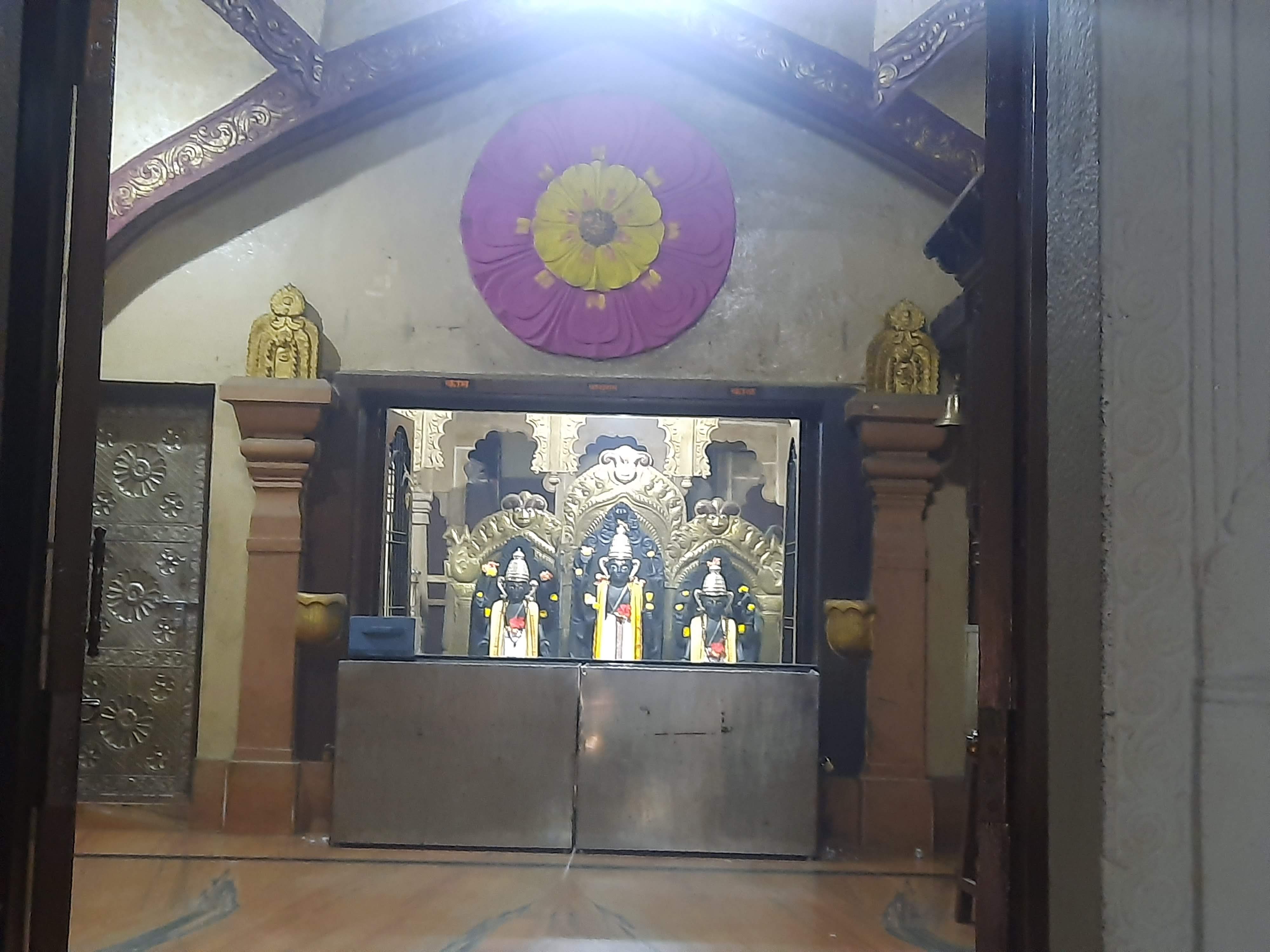 |
| Parashuram Mandir, Chiplun |


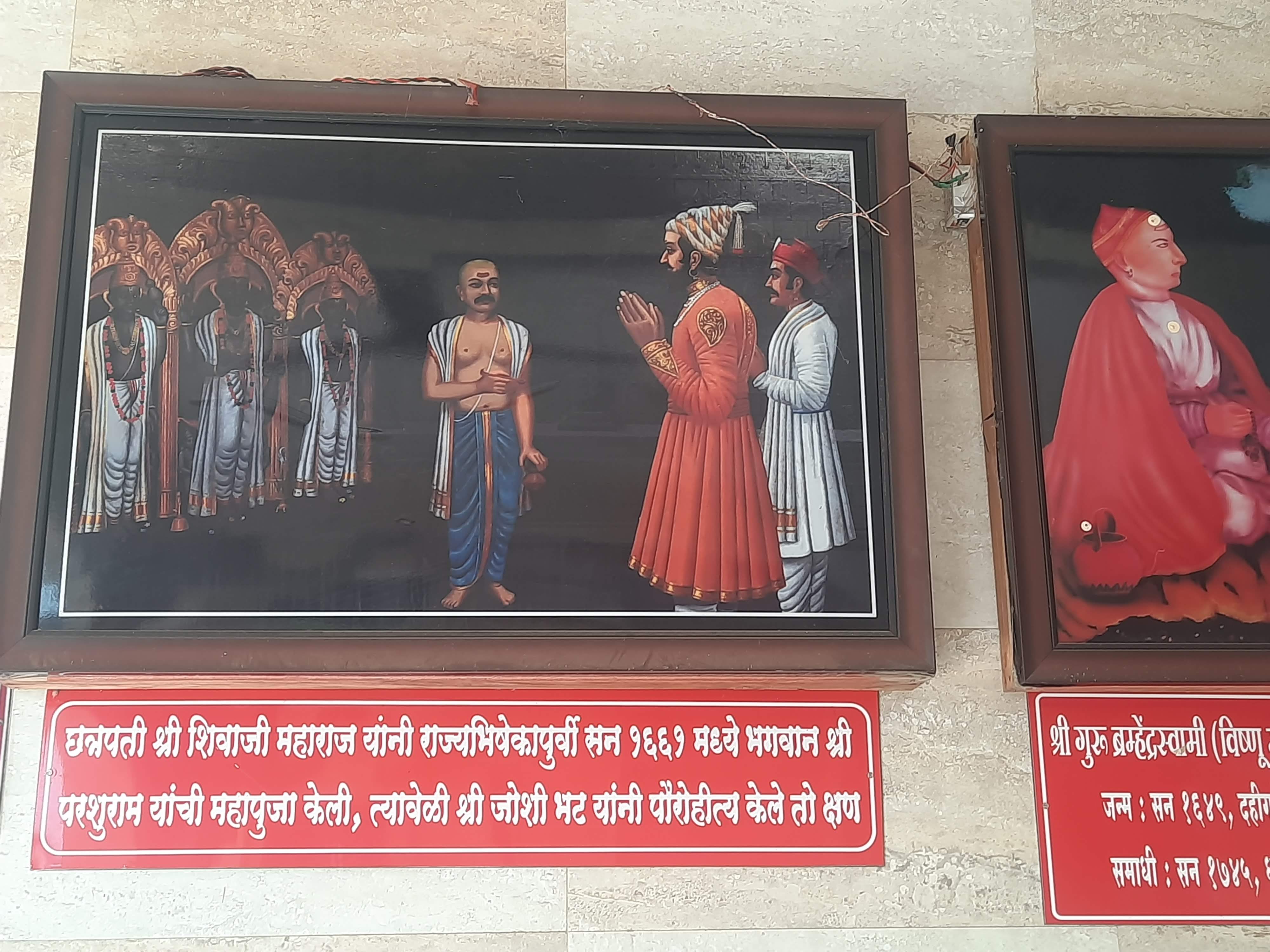


As we resumed our drive towards Pune, the visit to Parashuram Temple felt like the perfect conclusion to our Konkan trip. From the beaches of Guhagar and the ancient temples of Hedvi and Velneshwar to the spiritual tranquility of Parashuram, the journey had been a beautiful blend of nature, culture, food, and faith. We returned home carrying not just photographs and souvenirs, but memories of places, people, and experiences that would stay with us for years to come.
As we resumed our drive towards Pune, we reflected on the wonderful days spent in Guhagar. From nostalgic walks through familiar streets and stunning seaside sunsets to authentic Konkani food, peaceful temples, and leisurely beach time, the trip had offered exactly what we were looking for, a refreshing break from city life and an opportunity to reconnect with a place that continues to feel like home, no matter how many years pass.
Our wonderful trip finally came to an end when we reached home at around 6:30 PM.
Highlights -
Trip duration - 4 days (26 Oct 2022 to 29 Oct 2022)
Distance travelled - 850 Km
Budget - approximately 25K
Useful Info -
1. Room charges at Seawinds Hotel, Guhagar - 1650 per day (including discount as booking was done through yatra.com)
2. Veg meal at Job Aaji - 170 Rs per person (excluding Modak 20 Rs per piece)
3. Veg meal at Durga Devi Mandir - 100 Rs per person
4. Anjanvel Lighthouse visitor timings - 9:00 am to 12:00 pm and 3:00 pm to 5:00 pm
Useful Contacts -
1. Nakshatra Holiday Homes, Guhagar - 9403646277
2. Seawinds Hotel, Guhagar - 9920994229
3. Vasudha Jog (Jog Aaji) for veg food - 9158158316
4. Shalaka Khare (Durga Devi Mandir Guhagar for stay) - 9421604134
5. Sukhada (Durga Devi Mandir Guhagar for Prasad) - 9422998937
6. Hotel Suruchi, Guhagar -
 |
| Hotel Suruchi |

